After the Backlash: Where League's Skins and Monetization Stand
GAME MODE Staff·Jul 8, 2026· 4m read
Riot walked back its most controversial monetization changes, returning Hextech Chests and slashing champion costs, as it steadies its skin strategy into 2026.
A costly misstep, corrected
League of Legends' monetization became a lightning rod, and the fallout has shaped how Riot approaches skins heading into 2026. In early 2025, the studio removed free Hextech Chests, raised Blue Essence champion costs, and pushed premium Exalted gacha skins, a combination that ignited fierce community backlash. Riot reversed course within weeks.
A developer update from studio leadership acknowledged that the changes did not hit the mark for everyone, and the company restored much of what players had lost.
What changed back
The walk-back touched several systems:
- Hextech Chests returned, capped at ten chests and ten keys per Act, most earned through the free seasonal pass.
- Blue Essence champion prices were cut by 50 percent, making the roster far cheaper to unlock.
- Your Shop and the Blue Essence Emporium both returned in subsequent patches.
- The high-profile Sahn-Uzal Mordekaiser Exalted skin was delayed for quality improvements, with Riot committing to slow the Exalted release cadence.
Exalted skins, a premium gacha tier introduced in late 2024, had been the flashpoint of the whole controversy, and Riot's promise to improve and slow them was a direct response to player frustration.
Steadier ground
The episode is a case study in community power. League's players pushed back hard against changes they saw as greedy, and Riot, dependent on the goodwill of a massive long-term audience, listened and reversed itself. The restoration of Hextech Chests in particular addressed the sense that the game's free rewards were being stripped away to funnel players toward premium purchases.
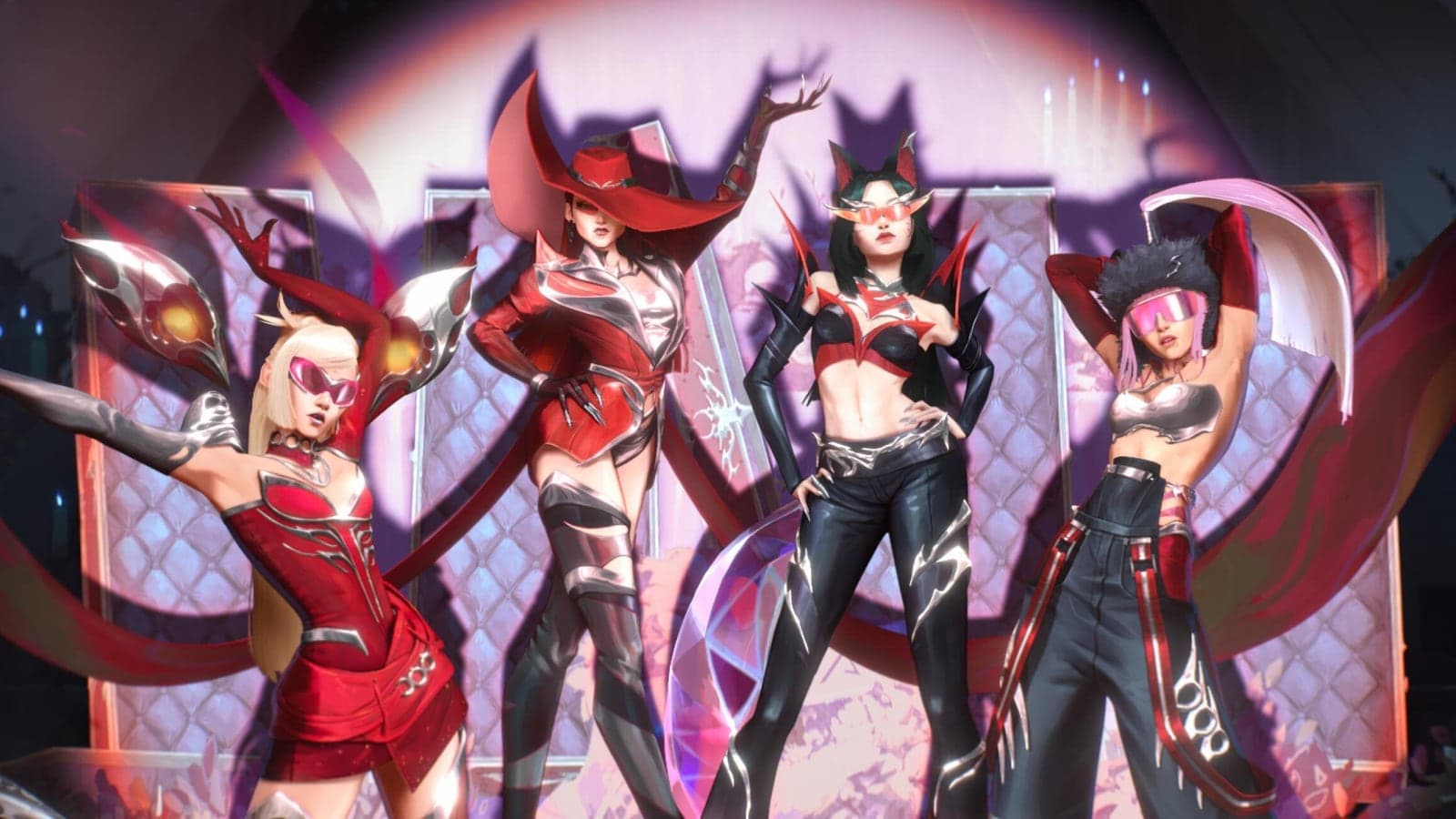
On the skin side, League continues to deliver the lavish thematic lines it is known for. The Spirit Blossom event returned as a major showcase, bringing new skins for champions like Ashe, Irelia, Bard, and Varus, along with a Prestige Lux and a themed map, exactly the kind of high-effort content that keeps the cosmetic economy healthy when it is not overshadowed by monetization disputes.
The lesson Riot appears to have absorbed is that aggressive monetization risks the trust that sustains a game generating revenue year after year. By walking back the most unpopular changes and pledging a more measured approach to premium skins, the studio steadied a situation that had genuinely angered its base.
Heading into 2026, the picture is calmer. Free rewards are back, champions are cheaper to unlock, and the premium tiers are being handled more carefully. The controversy left a mark, but it also demonstrated that even a game as dominant as League cannot take its community's patience for granted, a lesson likely to inform how Riot prices its cosmetics going forward.