Shift Up’s action game keeps its boss fights on Switch 2, but both critics flag frame generation, input lag and soft resolution as the price of portability.
About this review roundup: GAME MODE has not playtested this game. This is original analysis of the credited reviews and official information below, researched November 26, 2026. The displayed 7.5/10 is the equally weighted average of these two critics’ scores, converted to ten and rounded to one decimal. It is not a GAME MODE playtest score or a comprehensive review aggregate.
Released: November 5, 2026 on Nintendo Switch 2 (Shift Up; the game first launched on PS5 in 2024 and PC in June 2025). Platforms: Nintendo Switch 2.
From PS5 to Switch 2
Shift Up’s Stellar Blade first launched on PS5 in 2024 and on PC in June 2025. The Complete Edition reached Nintendo Switch 2 on November 5, 2026, and both critics here reviewed that version. Mitch Vogel at Nintendo Life gives it 7/10, and Jaz Sagoo at COGconnected gives it 80/100.
Both reviews keep returning to the same question: what does the game give up to run on a portable? The answer centres on frame generation.

The frame-generation trade-off
Vogel reports that the 60fps target relies on frame generation, which adds noticeable input lag. Turning it off drops the game to roughly 40fps, but he found the controls more responsive that way. He lists output at 720p handheld and 1080p docked, and says a low internal resolution and upscaling artefacts make the visuals muddy.
Sagoo describes the same setup in more technical terms: a 60fps target in both docked and handheld modes, using DLSS upscaling and FSR 3.1 frame interpolation, with occasional dips. Compared with PS5, he lists animations that stutter at a distance, slightly more input latency, a lower resolution and weaker hair detail.
For an action game built on parries and dodges, input lag is the detail to watch. Both critics flag it, and only Vogel suggests a workaround.
What survives the port
The good news is that the core game comes through intact, according to both reviews:
- Combat: Vogel describes a blend of Soulslike and character action, with a Beta Energy system that rewards creative combos. Sagoo calls it deep and challenging, built on parries, dodges and Blink teleports.
- Bosses: Vogel calls them cinematic, memorable skill checks and the best moments of the combat. Sagoo simply calls them excellent.
- Content: Sagoo confirms all post-launch content is included, from the NieR: Automata and NIKKE crossovers to free updates and Bayonetta-inspired costumes.
- New controls: Sagoo notes gyro aiming, touch and motion controls and mouse support, though he felt it plays better without them.
Story and structure
Vogel finds the story surface-level, with stilted dialogue and predictable twists, though engaging enough to carry you along. He also points out that a medium-sized open area arrives around six hours in and adds worthwhile quests, gear and rewards. His summary is short: “Razor sharp, but a little unrefined.”
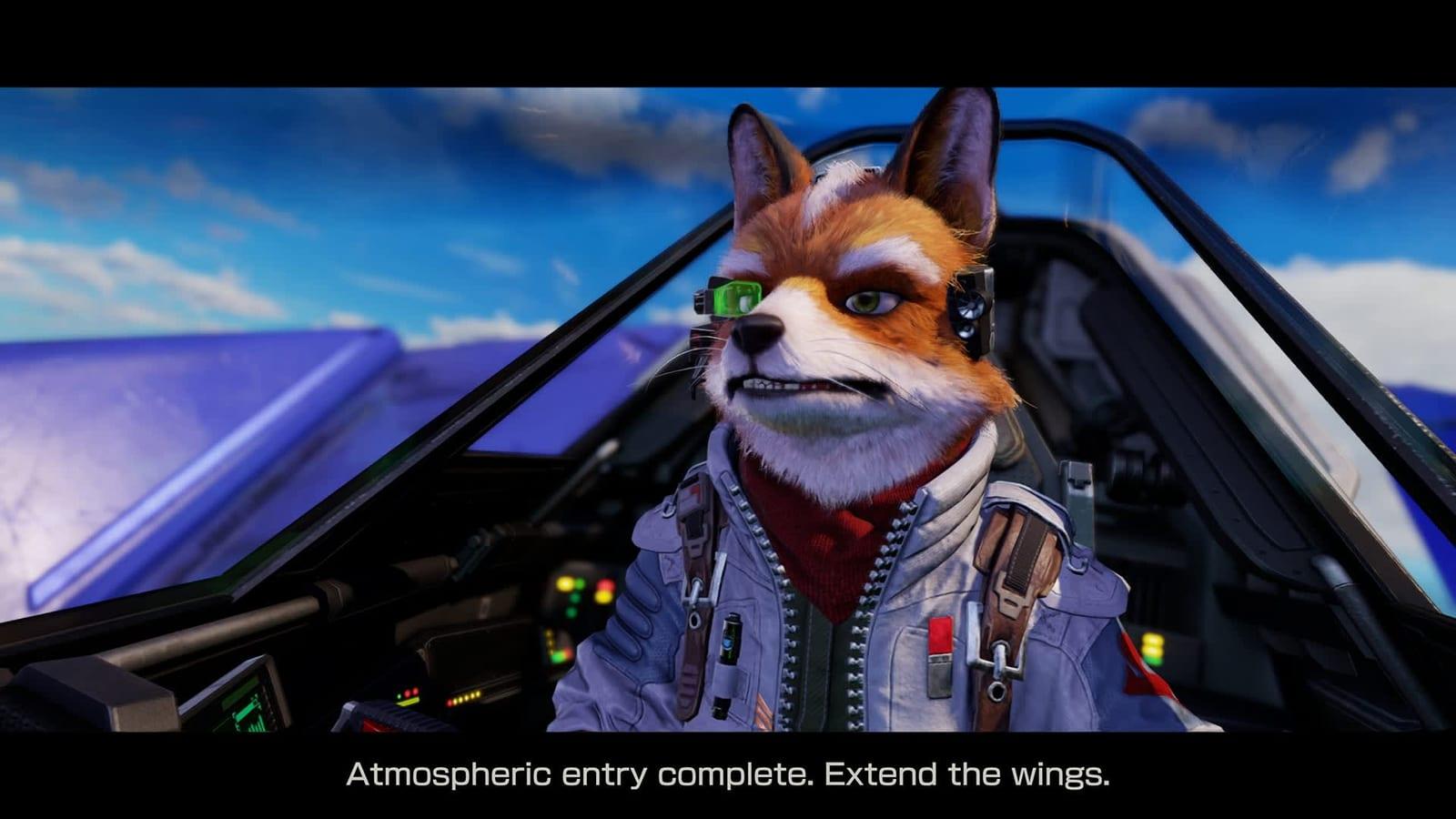
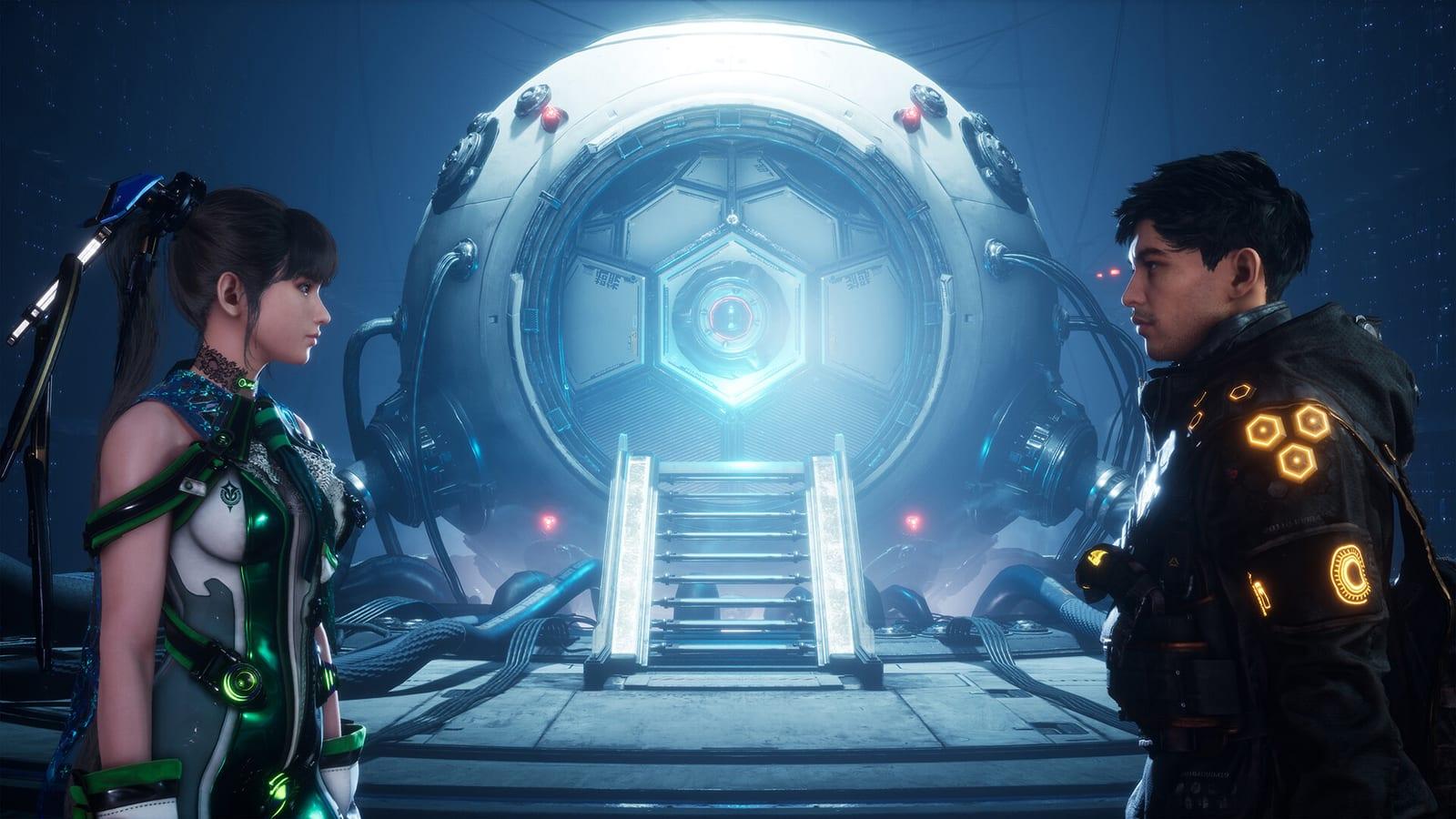
A note on our artwork: the screenshot at the top of this page comes from the PC version on Steam, not from Switch 2.
Who is this version for?
Our reading is that the scores are closer than they look, at 7/10 and 8/10 on our converted scale. Sagoo calls it “a worthwhile option for those who want to experience EVE’s adventure on the go.” That framing fits both reviews. If portability is the point, the Switch 2 version delivers the boss fights both critics praise. If you already own a PS5 or a capable PC, both reviews describe a softer, slightly laggier version of a game you can play elsewhere.
Cited scores and sources
- Nintendo Life: 7/10 (Switch 2).
- COGconnected: 80/100 (Switch 2).
Calculation: (7.0 + 8.0) ÷ 2 = 7.5/10, rounded. These are selected reviews, not every published score.
For a wider view, OpenCritic listed a Top Critic Average of 80 for the game when we checked on November 26, 2026.
Official game information and artwork source. Image: Shift Up / Sony Interactive Entertainment (PC screenshot).
The Verdict: Positive reception
Average of the cited critic scores, normalized to 10. See the methodology and individual scores above.